


* Review of relevant project documentation
* On site inspection of the various building cladding types
* Produce Fire Risk Assessment External Walls (FRAEW) in accordance with PAS 9980 guidelines
Find out more

On this page
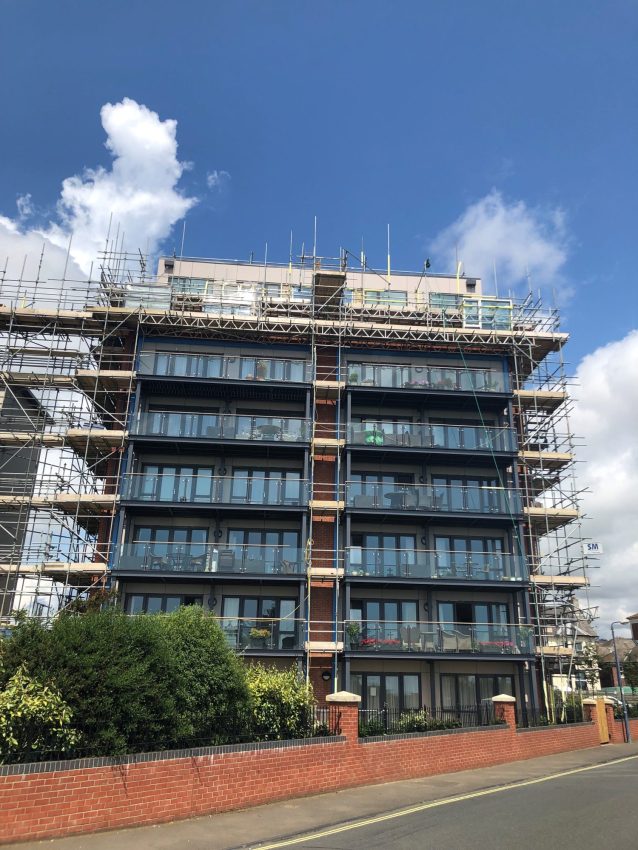
A façade consultant’s role changes as a construction project progresses. Before work begins on site, they may help develop the technical design and prepare specifications for materials, finishes and fittings. During manufacturing and construction, the focus shifts to reviewing information, inspecting manufacturing and installation and resolving technical issues.
Here, we look at what a façade consultant does at each stage and how their involvement helps ensure the finished façade reflects the agreed design and performs as intended.
The RIBA Plan of Work divides a building project into eight stages, from defining what is needed through to the building’s ongoing use:
A façade consultant may contribute at all of these stages.
A façade consultant can become involved during the early design stages, when the façade concept, materials and performance requirements are being developed. Their input can help identify potential technical, sustainability and buildability issues before the design progresses too far.
Consultants may also be appointed to support the technical design, provide oversight during manufacturing and construction or investigate a particular concern or quality control issue after work has started.
The timing and extent of their involvement will depend on the complexity of the façade, the expertise already available within the project team and the support required.
Read how our façade quality work at Terminal 2, Heathrow Airport covered every stage from design through to handover.
During RIBA Stages 2 and 3, a façade consultant helps the project team develop a façade that meets the building’s design, sustainability and performance requirements and can be constructed successfully.
Their role is to consider how the proposed systems and materials will work in practice, taking account of factors such as fire safety, weather resistance, energy performance and structural movement. They also look closely at the points where the façade meets the rest of the building, as these interfaces are often where problems arise.
Working alongside the architect, structural engineer, fire consultant and other specialists, the consultant helps ensure the developing façade design is technically workable and coordinated with the rest of the building before it progresses to detailed design.
At RIBA Stage 4, the façade consultant helps turn the developing design into the detailed technical information needed for manufacture and construction. This is where dimensions, materials, finishes, fittings and performance requirements need to be clearly defined.
The precise role will depend on the consultant’s appointment and whether the technical information is being prepared by the design team, contractor or specialist façade subcontractor. They may prepare or review:
This work helps establish exactly what the completed façade needs to achieve and how it should be constructed. It also gives the project team a clear basis for assessing the information, products and installation work that follow. Resolving gaps or inconsistencies now is usually much easier than correcting them after components have been manufactured or installed.
At RIBA Stage 5, the technical design is translated into manufactured components and on-site construction. The façade consultant helps check that the work is consistent with the Quality Control (QC) and Quality Assurance (QA) plans and the agreed design, specification and performance requirements.
Samples and material submissions allow proposed products and finishes to be checked before manufacture or installation to ensure they meet the specification and suit their intended purpose. This includes whether they are compatible with the surrounding materials and supported by the necessary technical evidence.
Where a substitution is proposed, it should be considered in the context of the complete façade. Even a small change can affect interfaces, testing, warranties or the overall performance of the system.
The contractor, specialist façade subcontractor or manufacturer will produce detailed information showing how the façade components are to be made, assembled and installed. The façade consultant reviews this against the agreed design and specification, paying particular attention to any differences between what was designed and what is now proposed.
The purpose is to identify omissions, discrepancies, or changes that could affect the façade’s appearance, buildability, or performance – it doesn’t transfer design responsibility away from the contractor or specialist designer responsible for producing the information.
Testing provides evidence of whether the façade meets specified requirements such as weather resistance, structural performance or fixing strength. The tests required will depend on the building and the type of façade system.
The consultant may help define what needs to be tested, witness the process and review the results. Where a failure occurs, they can advise on the investigation and corrective work needed before the project progresses.
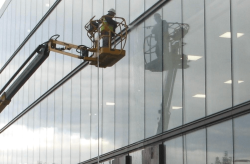
Site inspections allow the façade consultant to compare the work being carried out with the agreed drawings and specification and monitor the standard of workmanship. The areas inspected will depend on the stage reached, but the focus is on whether the façade components, fixings and critical interfaces have been installed correctly.
Visits are normally timed so that important work can be seen before it is covered. The consultant records any visible defects, damage or departures from the agreed information, although the inspection is limited to the areas accessible at the time.
Questions can arise when work begins, even where a detailed design has been prepared. Site conditions may differ from the available information, clashes may become apparent or a detail may not work as expected.
The façade consultant can review technical queries, assess proposed changes and advise on issues involving materials, interfaces or installation. They may also help agree a practical way forward that maintains the required façade performance.
The façade consultant works as part of the project team, sharing findings with the relevant architect, engineer, contractor, specialist consultant or specialist subcontractor, and contributing to discussions about how to address any issue.
They do not make decisions about other disciplines or take over another party’s responsibilities. Their role is to explain the façade implications, provide specialist advice and help the team reach a coordinated response. Agreed changes, actions and responsibilities are then recorded so everyone is working from the same information.
Where an inspection, document review or test identifies a defect or a departure from the agreed design, the issue should be recorded and raised with the relevant members of the project team.
The usual process is to:
1 – Document the issue and its location
2 – Notify the relevant contractor, designer or manufacturer
3 – Consider the cause and potential effect on the façade
4 – Agree an appropriate technical response
5 – Complete the corrective work
6 – Reinspect or review the work where required
7 – Record the issue as closed once satisfactory evidence is available
The appropriate response will depend on the nature and extent of the problem. Some defects can be corrected locally, while others may require further investigation, testing or remediation work.
The façade consultant may advise on the implications of the defect, review the proposed remedial work and check whether the completed correction is consistent with the agreed approach.
At RIBA Stage 6, the construction work is completed and the building is handed over to the client. The façade consultant may carry out final or snagging inspections to identify unfinished work, visible defects and previously reported issues that still need to be resolved.
They may also review evidence that corrective work has been completed, along with relevant test results and technical information produced during construction. Where necessary, they can reinspect affected areas before closing outstanding items.
This helps provide the client with a clearer record of the façade work completed, the issues identified during construction and any matters that remain outstanding at handover.
Many of the decisions that determine how a façade will perform are made before work starts on site. The choice of systems and materials, the quality of the specification and the way different elements connect all influence what can be manufactured and installed.
In our experience, many façade problems can be traced back to details that were incomplete, unclear or not properly coordinated before work began. Reviewing these points earlier gives the project team more opportunity to resolve them before contractors begin producing components or covering important parts of the installation.
This provides a clearer benchmark against which manufacturing information, materials and installation work can be assessed.
The right time to appoint a façade consultant depends on the project, the complexity of the façade and the expertise already available within the design and construction teams.
Early involvement is particularly valuable where the façade
A façade consultant can still provide useful support after construction has begun, but the later they become involved, the less opportunity there may be to influence decisions already made or work already completed.
With more than 40 years of experience in façade inspection, investigation and technical analysis, Barry Jubb Associates provides consultancy support from technical design and specification through to manufacturing, construction and handover.
Contact us to discuss your project and the level of support required.
An architect is responsible for the wider building design, while a façade consultant provides specialist advice on the design, performance and construction of the external envelope. Their roles are complementary, and the precise division of responsibility depends on their appointments.
Yes, where site inspections form part of their appointment. Visits are generally arranged at key stages so that important components and interfaces can be inspected before they are covered.
Depending on the project and stage of construction, the consultant may inspect materials, fixings, insulation, cavity barriers, fire stopping, weatherproofing, interfaces, installation tolerances, workmanship and Quality Control. They may also compare the visible work with the agreed drawings and specification.
Yes. A consultant can inspect work, review technical information and advise on problems after construction has begun. However, earlier appointment provides more opportunity to influence the design, specification and manufacturing process.
Not necessarily. The need depends on the scale, complexity, risks and expertise already available within the project team. Complex or performance-critical façades are more likely to benefit from specialist input.















©2021 Barry Jubb Associates. All Rights Reserved | Made by JKE Web Design