

* Review of relevant project documentation
* On site inspection of the various building cladding types
* Produce Fire Risk Assessment External Walls (FRAEW) in accordance with PAS 9980 guidelines
Find out more

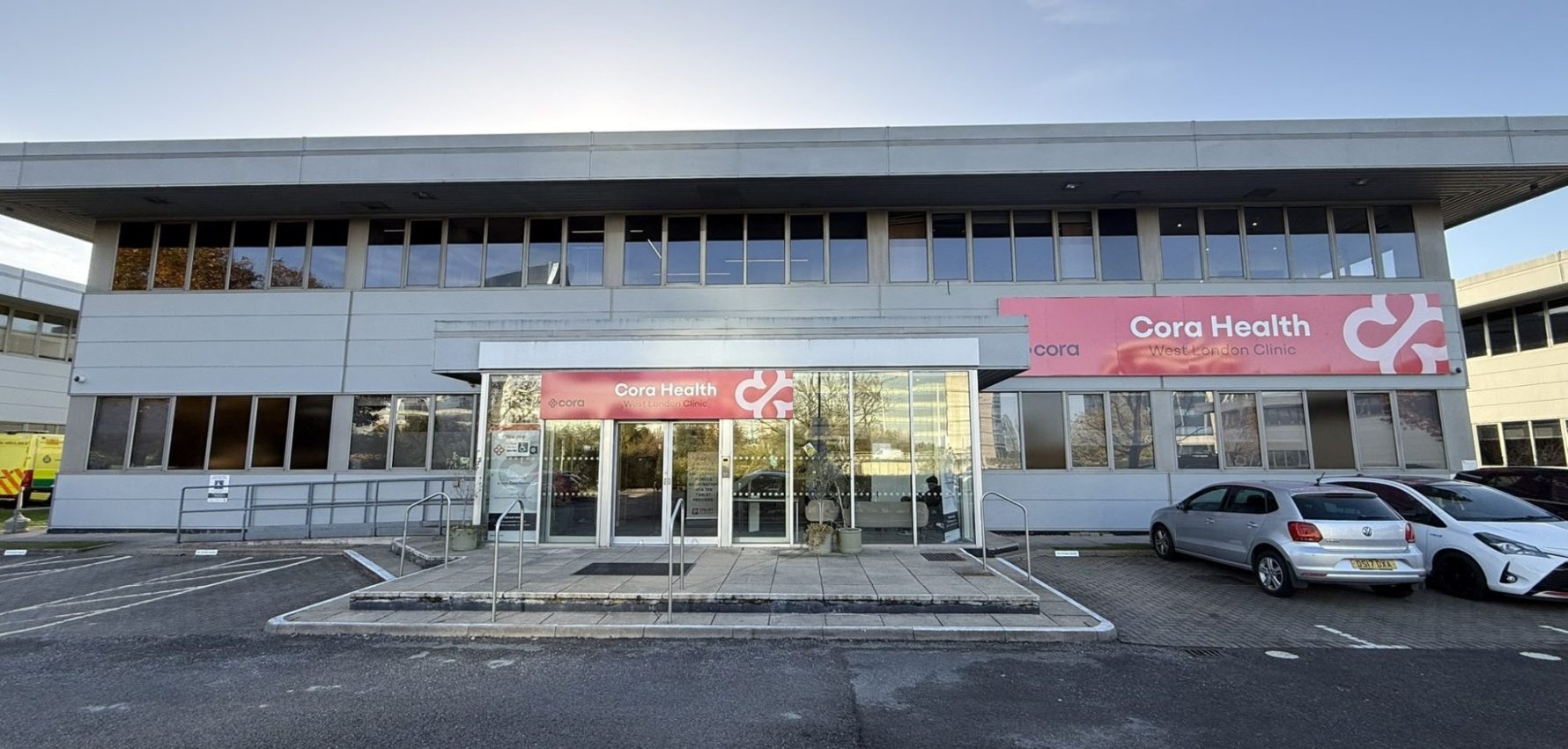
Barry Jubb Associates was appointed to carry out a detailed inspection and testing programme to assess the fire performance of the external wall cladding (FRAEW) at The Riverside Clinic in Brentford.
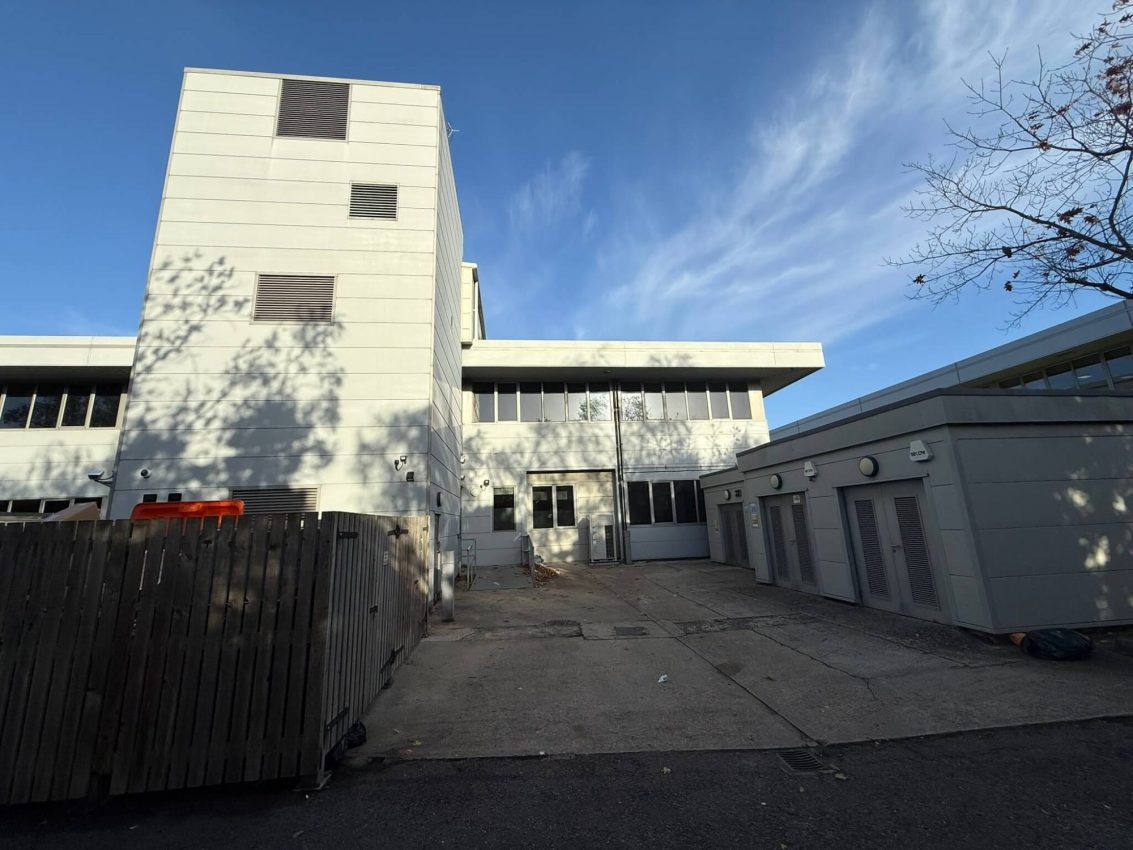
The Riverside Clinic is a detached, purpose-built two-storey medical facility featuring specialist treatment spaces, recovery areas and consulting rooms. External construction consists of ribbon-style aluminium-framed double glazing, with aluminium-framed doors and areas of metal cladding.
Concerns had been raised regarding the potential fire risk of the insulated metal cladding panels, so Barry Jubb Associates was instructed to investigate the installation of the cladding system, assess the likely combustibility of the materials used and arrange testing of the insulation core where necessary.
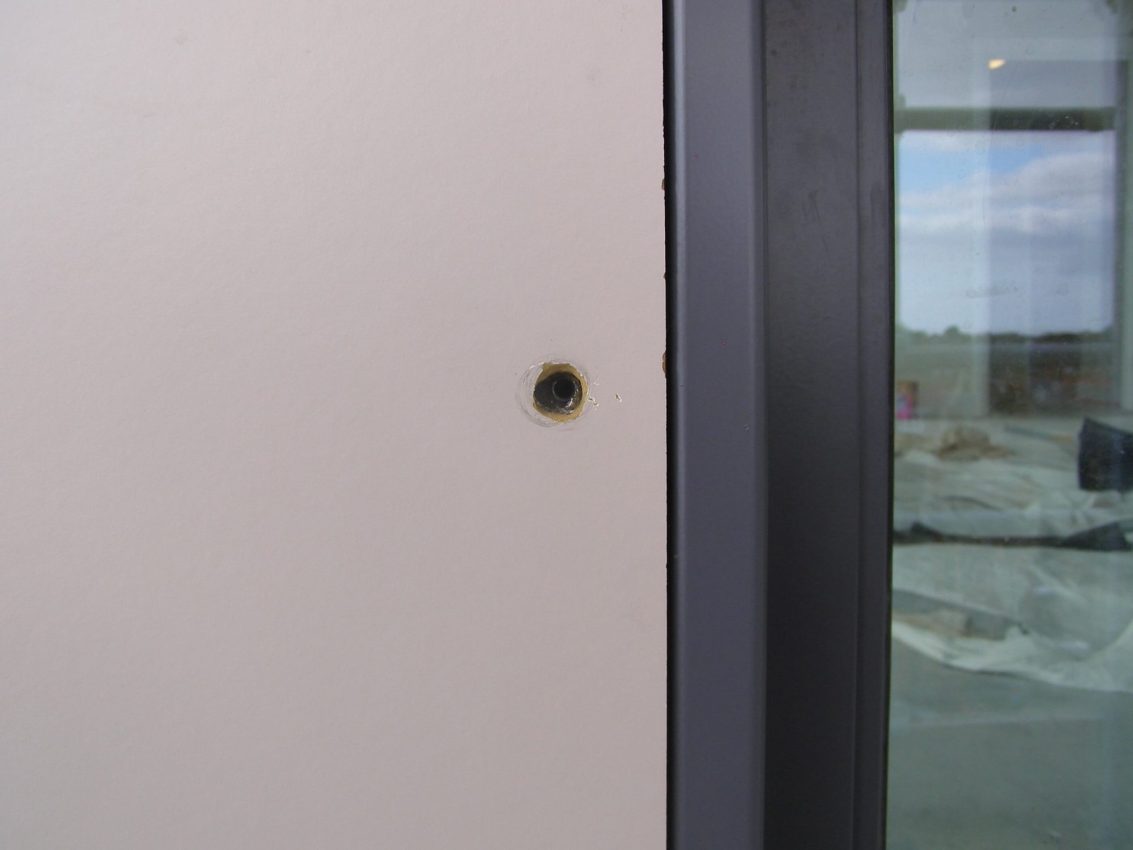
An initial site visit was undertaken to visually inspect the building’s external wall construction. The team used existing openings in the cladding to conduct a preliminary investigation, allowing them to view the panel build-up and insulation core without immediately introducing further intrusive works.
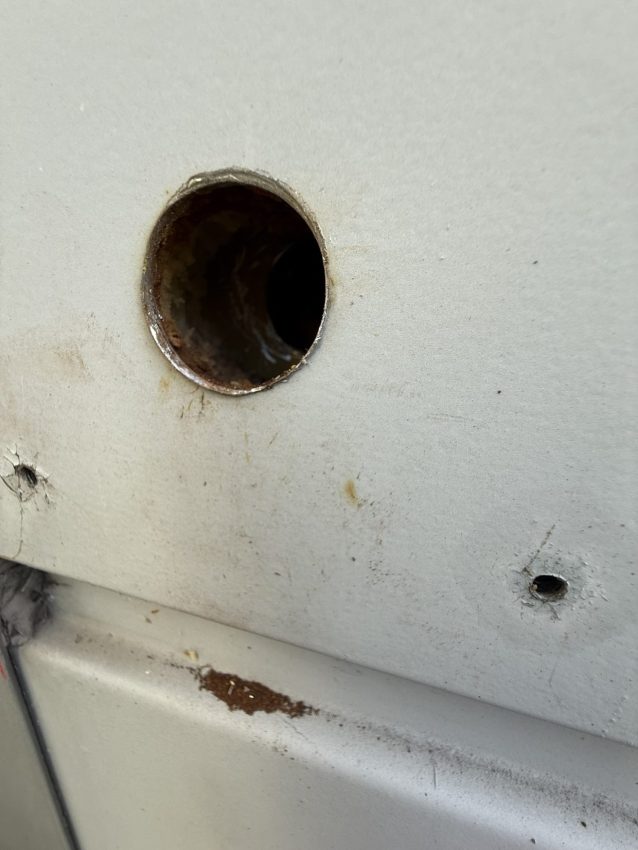
However, because the year of construction was unknown and there was no original system paperwork or product codes for the materials, the initial inspection was insufficient to confirm the insulation type or verify the material’s fire performance, and it was necessary to obtain core material samples for laboratory testing. Suitable locations for these intrusive works were identified during the site inspection.
Sample sections (approximately 200 mm × 200 mm) were removed from the rear and east elevations of the building. The insulation core was extracted and replaced with new, before being patched with a colour-matched aluminium plate.
Given the clinic’s busy nature, work was carefully planned and carried out outside normal working hours to minimise disruption to staff and patients.
Following removal of the insulation sample from the cladding panel, the material was submitted to an accredited laboratory for reaction-to-fire testing.
This included calorific value testing to determine how much energy the material could release when it burns, and thus how it could contribute to fire intensity and growth if ignited. The results were also considered in relation to recognised non-combustibility criteria, helping to establish whether the insulation should be regarded as a non-combustible or limited-combustibility product, or treated as combustible within the external wall build-up.
Together, the results provided technical evidence of the material’s potential contribution to fire development and informed the wider fire risk appraisal of the cladding system, including consideration of whether remedial measures may be required.
The inspection and testing programme confirmed that the aluminium facing sheets forming the external and internal surfaces of the cladding panels are non-combustible. However, the insulation core was identified as likely polyurethane-based, combustible, and capable of contributing fuel to a developing fire.
These findings provided the client with a clear technical understanding of the cladding build-up and its potential fire performance characteristics.
A more informed assessment of how the façade could contribute to fire growth and spread allowed the client and fire safety professionals to consider risk in the context of the overall building design and use, rather than relying on assumptions about the external wall materials.
The investigation highlighted aspects of the external wall system that require further consideration within a more extensive fire risk appraisal. The test results and inspection findings provided the technical evidence needed to support decision-making, helping the client plan next steps regarding fire safety risk management, compliance, and any potential remedial works.
To discuss your needs or book a cladding inspection, contact us.












Click or tap an image to open as a slide show.
©2021 Barry Jubb Associates. All Rights Reserved | Made by JKE Web Design