

* Review of relevant project documentation
* On site inspection of the various building cladding types
* Produce Fire Risk Assessment External Walls (FRAEW) in accordance with PAS 9980 guidelines
Find out more

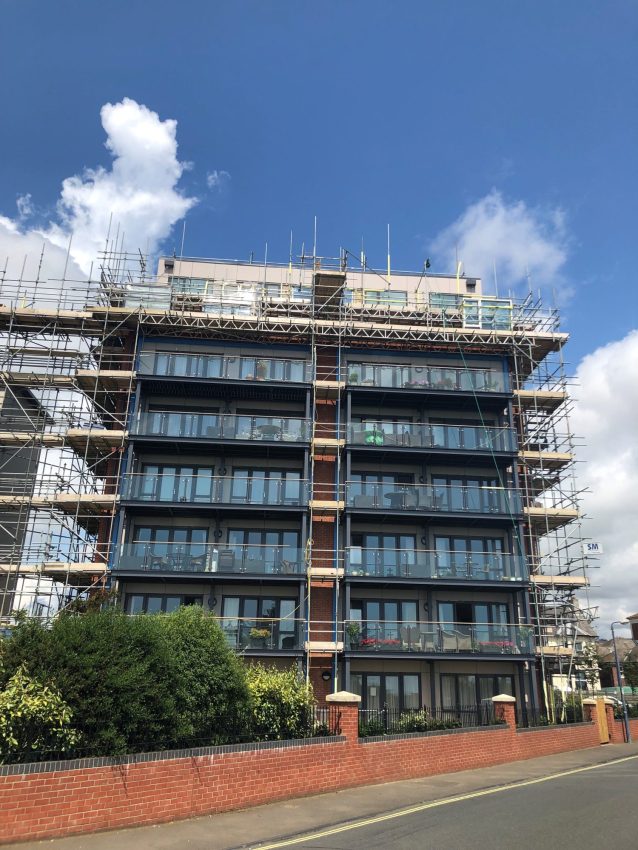
Barry Jubb Associates was appointed to carry out a detailed defective cladding inspection of rainscreen cladding and window installations at a residential apartment in Felixstowe.
The residential development was completed in 2015. Since then, residents had experienced ongoing issues with window leakage, with multiple attempts at remediation proving unsuccessful.
Following wider fire safety reviews across the building, the original rainscreen cladding system was being replaced with new cladding, including a new aluminium substructure, insulation and cavity fire barriers. At the same time, replacement composite timber and aluminium windows were being installed.
Despite these works, defects and water ingress issues persisted. A resident instructed Barry Jubb Associates to undertake an independent inspection of the façade to assess the quality of installation, identify defects, and produce a clear, evidence-based report to support further action.
A detailed site inspection was carried out, including visual examination of three elevations from the scaffolding already in place for the window and cladding replacement. The façade survey checked for potential defects in glazing, windows, gaskets, cladding, cladding substructure and cladding cavity fire barrier, as well as recording any other observations.
This was supported by a review of available project information and photographic records provided by the client, helping to build an understanding of how the façade had been installed and how defects had developed over time.
The inspection identified a range of issues with the installation of the cladding system, including defects in fixing methods, incorrect joint spacing, damage to panels during installation and re-fixing, and non-compliant detailing affecting movement and long-term performance.
The supporting aluminium substructure was also assessed, with defects identified in bracket fixings, rail installation and overall workmanship, raising concerns about the cladding system’s structural performance under load.
The installation of insulation and cavity fire barriers was reviewed against manufacturer guidance and regulatory expectations. Issues were identified including poorly installed insulation, incorrect positioning of cavity fire barriers and instances where ventilation behind the cladding had been compromised.
These findings highlighted potential implications for both thermal performance and fire safety within the façade system.
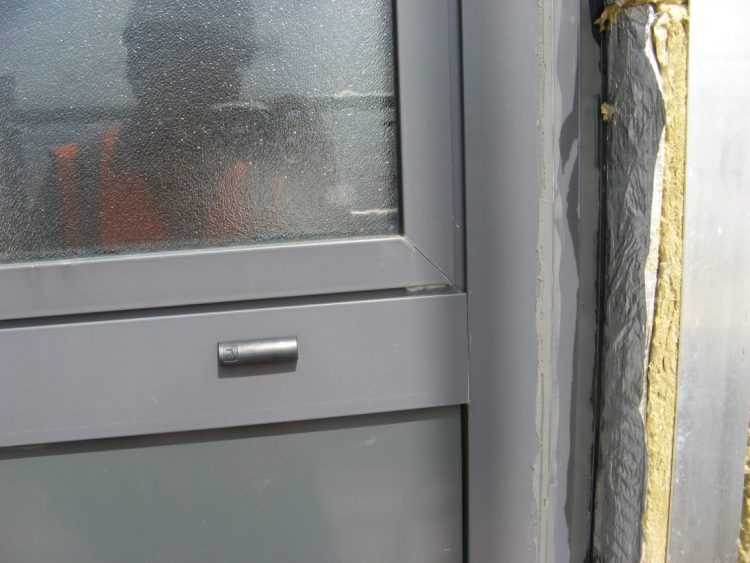
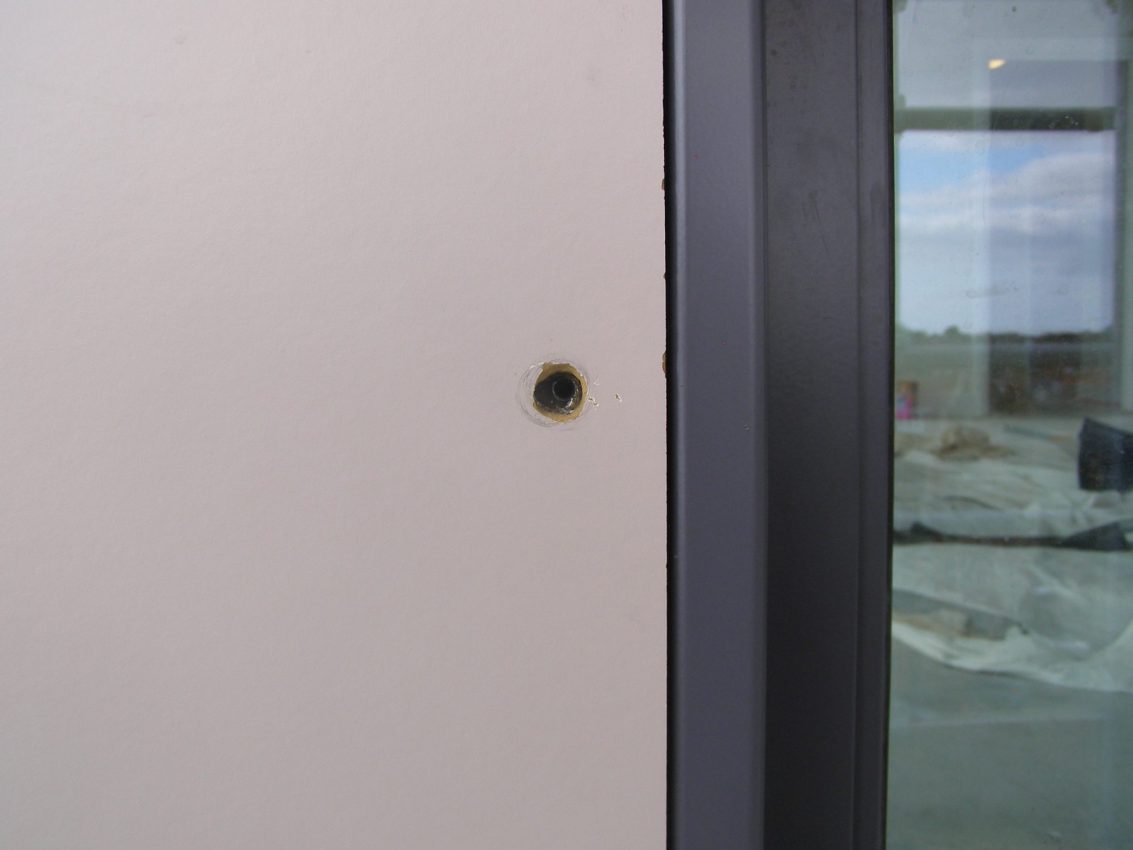
The window installations were assessed in detail following reports of persistent leaks, with tests conducted in accordance with industry standards. Water ingress was observed during both natural rainfall and controlled water testing.
The inspection identified deficiencies in installation detailing, sealant application and overall quality control. In particular, the lack of coordinated design details and reliance on single seal weatherproofing were noted as contributing factors to the ongoing performance issues.
The façade survey established that the materials used in the façade systems were appropriate for the application, but that there were widespread issues with installation quality across the cladding, substructure, fire barriers and windows.
By documenting these issues in a structured way, with supporting evidence, the report established a reliable and independent record of the façade condition and how it was performing in practice.
The findings confirmed that remedial works were required to address defects affecting both the performance and safety of the façade systems. Issues relating to cladding fixings, substructure installation and water ingress were identified as particularly urgent.
To ensure effective resolution of the issues identified, Barry Jubb Associates recommended a structured approach to remedial works. This included further investigation of façade elements to verify construction and fitting, implementation of a formal quality plan, and increased involvement of system manufacturers to support inspection and sign-off. Learn more about our cladding remediation service.
The report provided the client with a robust, independent evidence base to use in discussions with the developer, contractor, and any other parties involved in both the initial construction and ongoing works.
By clearly setting out the nature of the defects and the need for further investigation and remedial works, the report helps ensure that both parties have a proper understanding of the façade construction and its performance.
To discuss your needs or book a defective cladding inspection & investigation, contact us today.













Click or tap an image to open as a slide show.
©2021 Barry Jubb Associates. All Rights Reserved | Made by JKE Web Design